FROM OBSERVATION TO UNDERSTANDING
A better image starts
with a better question.
Does the hottest component always have the biggest problem?
No. Significance depends on load, component type, comparable phases or equipment, ambient conditions and the mechanism producing the heat.
Why should I record load?
Electrical and mechanical temperatures are often functions of operating condition. A component inspected at light load may behave very differently under normal or peak load.
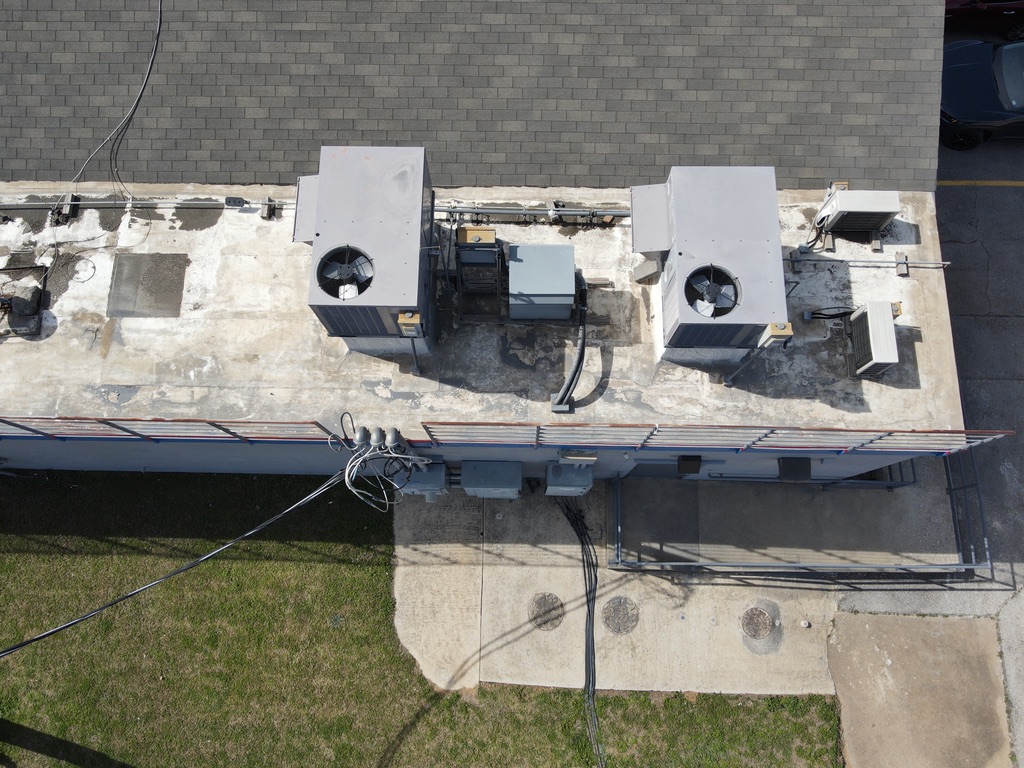
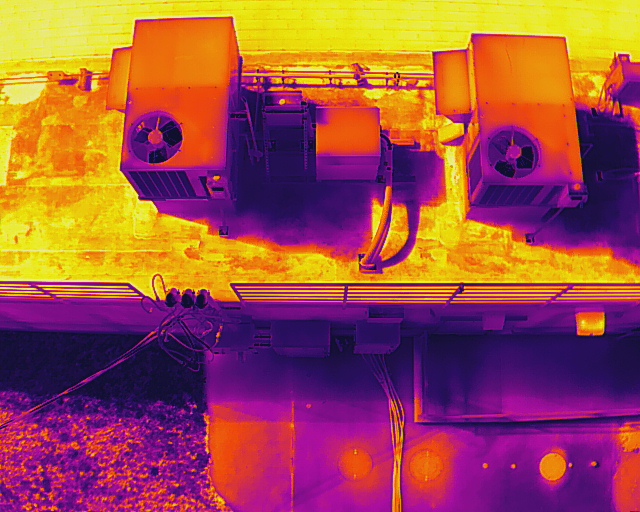
Can reflections create false electrical hot spots?
Yes, especially on low-emissivity metallic surfaces. Apparent heat can be reflected radiation rather than the target’s actual temperature.
What should be documented?
Equipment identification, load or operating state, ambient conditions, thermal and visible imagery, measurement assumptions, viewing geometry and any verification performed.
What makes the finding defensible?
The report should connect the observed pattern to a plausible mechanism, acknowledge limitations and avoid claiming more certainty than the evidence supports.
THE FIELD REFERENCE

TAKE THE NEXT QUESTION FURTHER
The Environment
Decides.
The Discipline of Defensible Thermography
Build the reasoning that turns an observation into a defensible finding.
Environmental history. Measurement physics. Competing explanations. The book explores the discipline behind acquiring, interpreting and defending thermal evidence.
- Before the missionPlan the question and the conditions.
- In the fieldReconsider when the scene changes.
- At the deskExamine what your evidence supports.