FROM OBSERVATION TO UNDERSTANDING
A better image starts
with a better question.
Can a thermal image prove what caused a problem?
Sometimes it can strongly support a conclusion, but many thermal patterns have competing explanations. The thermographer should identify and test those alternatives rather than treating color as diagnosis.
What should a defensible report contain?
The question investigated, relevant environmental and operating conditions, equipment, acquisition method, assumptions, observations, limitations, verification and the reasoning connecting evidence to conclusion.
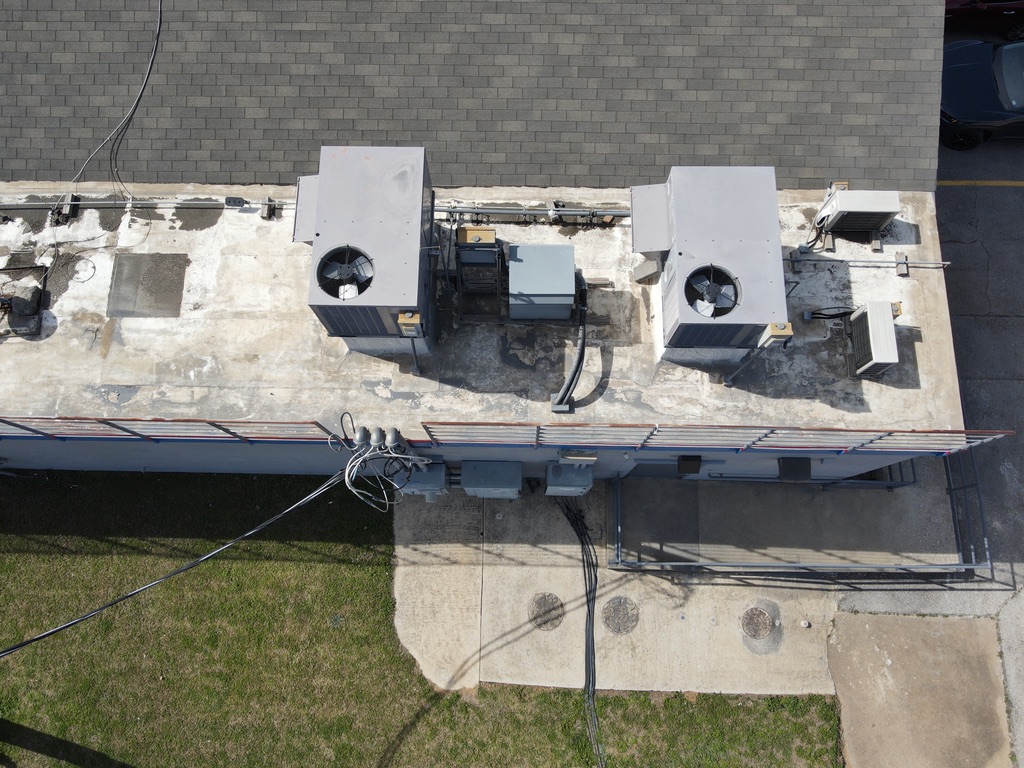
What if I made a mistake during the inspection?
A rigorous case analysis should acknowledge mistakes, missing information and what could have been done better. Hiding uncertainty does not make evidence stronger.
Why are detailed case studies valuable?
A useful case exposes context: planning, siting, environmental history, assumptions, observations, competing hypotheses, verification, outcome and hindsight. The reasoning is often more educational than the thermogram.
What is the hardest question to ask before issuing the report?
Which assumption would be hardest to defend if another qualified professional challenged the conclusion? Finding that weakness before publication is part of professional judgment.
THE FIELD REFERENCE
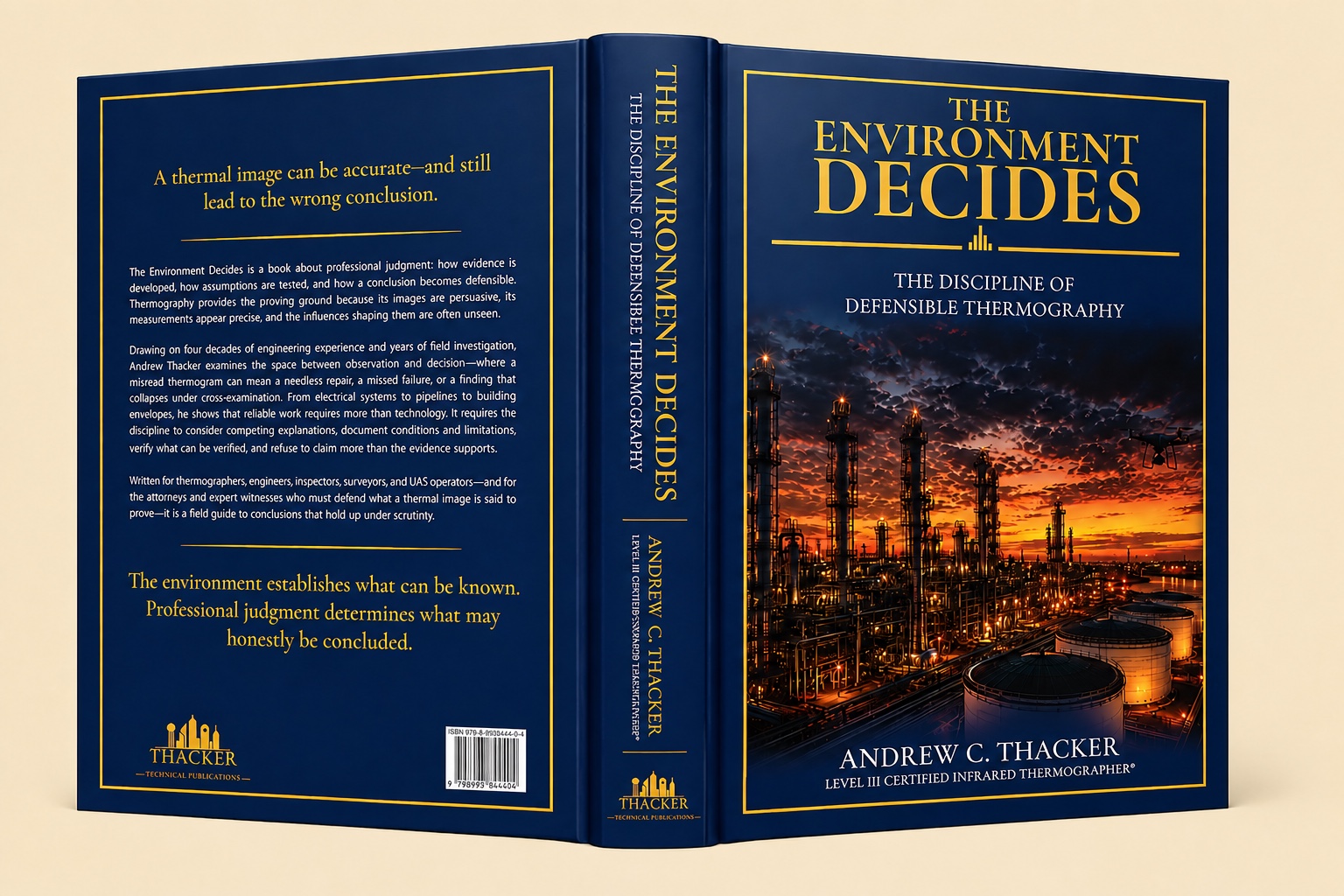
TAKE THE NEXT QUESTION FURTHER
The Environment
Decides.
The Discipline of Defensible Thermography
Go deeper into the discipline behind conclusions that can withstand scrutiny.
Environmental history. Measurement physics. Competing explanations. The book explores the discipline behind acquiring, interpreting and defending thermal evidence.
- Before the missionPlan the question and the conditions.
- In the fieldReconsider when the scene changes.
- At the deskExamine what your evidence supports.